The Hidden Heart of Product Design Interviews: It's All About Empathy
Many candidates approach product design interviews as problem-solving tests, but the true differentiator lies in demonstrating genuine empathy. Discover why understanding people's needs is the core skill interviewers are seeking, and how to showcase it.
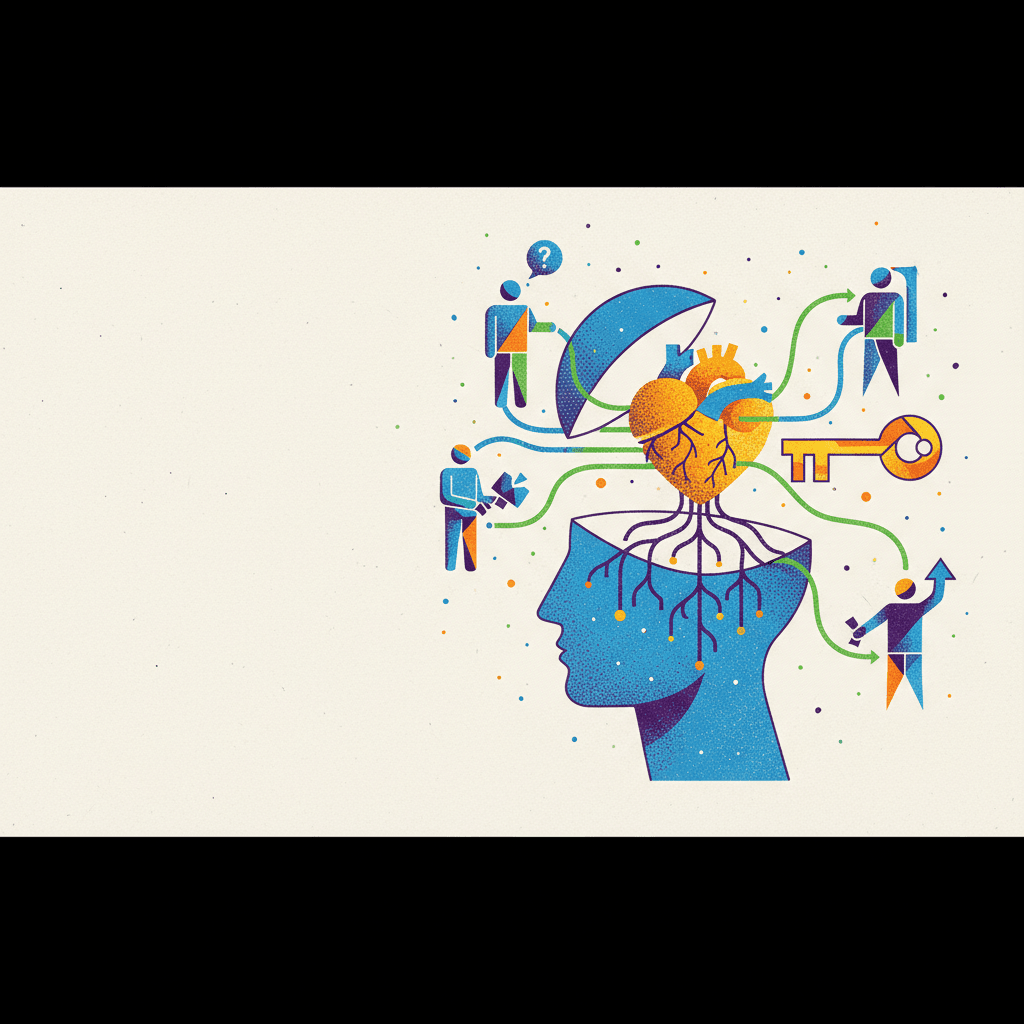
The Hidden Heart of Product Design Interviews: It's All About Empathy
Have you ever walked out of a product design interview feeling like you nailed the framework, hit all the points, but still didn't quite connect? You're not alone. Many aspiring Product Managers meticulously prepare for these interviews, memorizing frameworks and practicing solutions, often missing the single most important element: empathy.
It's a common misconception that product design interviews are primarily about problem-solving or showcasing your creativity. While those elements are certainly present, they serve a deeper purpose. At its core, a product design interview isn't just asking "What would you build?" It's asking, "Can you truly understand people and build something for them?"
Why Empathy? The PM's Superpower
In the real world of product management, empathy isn't a soft skill; it's a foundational capability. Great products aren't born from brilliant ideas alone; they emerge from a deep understanding of user needs, frustrations, and desires. As a PM, you're constantly stepping into the shoes of diverse user groups, translating their unspoken needs into tangible features, and advocating for their experience.
This is precisely what interviewers are looking for. They want to see if you can genuinely connect with users, articulate their world, and champion their perspective throughout the product development lifecycle. If you can't empathize with the hypothetical users in an interview, how will you do so with real customers on the job?
Beyond the Framework: The Argument for Empathy
We often hear about the "standard approach" to product design interviews: define a goal, identify customers, pinpoint pain points, and propose solutions. This framework is invaluable for structuring your thoughts, but it's not a script to be recited. As we emphasize in ProductSimply's coaching, the framework itself is an argument for how to build great products – an argument rooted in empathy.
Think about it:
- Defining a Goal: You can't set a meaningful goal without understanding what truly matters to people in that space. What impact do they seek? What makes their lives better?
- Identifying Customers: This isn't just about demographics. It's about delving into their motivations, constraints, and daily realities. Who are these people? What are their lives like? What makes them tick?
- Pinpointing Pain Points: A pain point isn't just a problem; it's a blocked motivation. It's something that prevents your chosen customer from achieving something they deeply care about. Understanding this "why" requires stepping into their frustration.
- Proposing Solutions: Your solution must directly alleviate their specific pain, not just offer a generic feature. It needs to resonate with their experience and genuinely improve their situation.
If you merely follow the steps without infusing them with genuine user understanding, your answer will sound hollow, like a paint-by-numbers exercise. The interviewer will sense the lack of depth, and your "solution" might feel uninspired because it's not truly connected to a human need.
How Interviewers Spot True Empathy
Interviewers aren't just listening for keywords; they're looking for signal in your responses. They want to see:
- "Early and Often" User Focus: Do you bring up users and their needs as early as possible? Do you refer back to them consistently throughout your argument, especially when making critical decisions?
- "People Beat Business" (Initially): While business considerations are vital, a truly empathetic PM prioritizes understanding and solving user problems first. The business value often follows naturally from a genuinely valuable user solution. Don't jump to monetization before you've truly understood the human problem.
- Relatable Storytelling: Can you describe your hypothetical users in a way that makes them feel real? Can you imagine their struggles, their daily routines, their aspirations? Sometimes, drawing on personal anecdotes or the experiences of people you know (your aunt, your neighbor) can make your explanations more vivid and authentic. It's about actually caring about the people you're designing for.
- The "Why" Behind the "What": As explored in ProductSimply's course materials, explaining why you're making a particular choice is paramount. In product design, the "why" often circles back to user needs. Why this customer? Why this pain point? Why this solution? The best answers aren't just "what" but "why, for these people."
Want to take the next step?
Work with MJ 1-on-1 for focused feedback, or keep preparing with the course and AI coach.
I recall a coaching session where a candidate was designing a new feature for a music streaming app. They jumped straight into recommending complex AI-driven playlist generation. When I asked who this was for, and why they needed it, they struggled. We paused, and I encouraged them to imagine a specific user: maybe a busy parent trying to discover new music for their kids, or an aspiring DJ needing to quickly curate tracks for a gig. Once they started visualizing these specific people, their proposed solutions became far more targeted, creative, and, crucially, empathetic. It wasn't about the tech; it was about the user's struggle.
Cultivating Your Empathetic Lens
So, how do you cultivate and demonstrate this crucial skill in an interview?
- Practice Active Listening (to the Prompt): Before you even start brainstorming, truly listen to the problem. What implicit needs or tensions does it suggest? Ask clarifying questions that dig into the user context, not just technical constraints.
- Build Rich User Personas (Even Briefly): When you identify customer groups, don't just label them. Give them a brief, vivid description. What's their daily life like? What are their frustrations? What are their goals? The "Triple Anchor" approach—label, describe, explain why it matters—is excellent for this, ensuring your customer descriptions are deep and relevant.
- Focus on "Blocked Motivations" for Pain Points: Instead of just listing problems, ask what your users want to achieve that they can't because of this problem. This elevates a simple problem to a genuine "pain point" that demands a solution.
- Connect Solutions Directly to Pain: Ensure your proposed solution is a clear, direct answer to the user's specific pain point. It should feel like a natural, almost inevitable, outcome of understanding their struggle.
- "Run Your Show" with Authenticity: Don't try to mimic someone else's empathetic style. Lean into your own experiences and perspectives. If you genuinely care about solving problems for people, let that passion shine through. Authenticity in your empathy is far more compelling than a perfectly recited framework.
The Takeaway
The product design interview is your opportunity to prove you're not just a logical thinker or a creative ideator, but a truly user-centric Product Manager. It's where you demonstrate that you can look beyond features and functions to the human beings who will use your product. By focusing on empathy, by truly feeling the user's needs, you'll not only deliver a more compelling interview response but also lay the groundwork for a successful career building products that people genuinely love.
For deeper dives into structuring your empathetic arguments, mastering product design frameworks, and practicing with expert coaches who understand what top tech companies are truly looking for, explore ProductSimply.com. We've helped hundreds of candidates land PM roles by helping them unlock their authentic, empathetic product sense.
Written by

Former Meta Senior PM. #1 rated PM interview coach on IGotAnOffer with 538+ clients and a 49% rebook rate.
Want to take the next step?
Work with MJ 1-on-1 for focused feedback, or keep preparing with the course and AI coach.
Related Articles

Ultimate Answers: Tell me about a time when you had to rally a team
Rallying a team is more than just motivational speeches; it's about deeply understanding what's holding them back and strategically providing the support they need. This crucial PM interview question tests your diagnostic skills and empathetic leadership, not just your ability to inspire.
February 28, 2026
Should You Use Refactoring UI to Prepare for PM Interviews?
Often seen as a resource for developers and designers, Refactoring UI offers invaluable insights for Product Managers preparing for interviews. Learn how understanding UI principles can sharpen your product sense, communication, and empathetic thinking, making you a more effective and impressive candidate.
February 18, 2026
North Star Metrics: Why Averages Fall Short and Totals Lead the Way
A North Star Metric (NSM) should always reflect growth, pushing your product "up and to the right." Discover why static averages fail as guiding lights and how to leverage them as critical countermetrics to ensure quality alongside quantity.
February 16, 2026