What should a product manager be capable of in the age of AI?
AI gives product managers an opportunity to participate directly in design, development and evaluation. What skills and judgment should they develop to make the most of it?
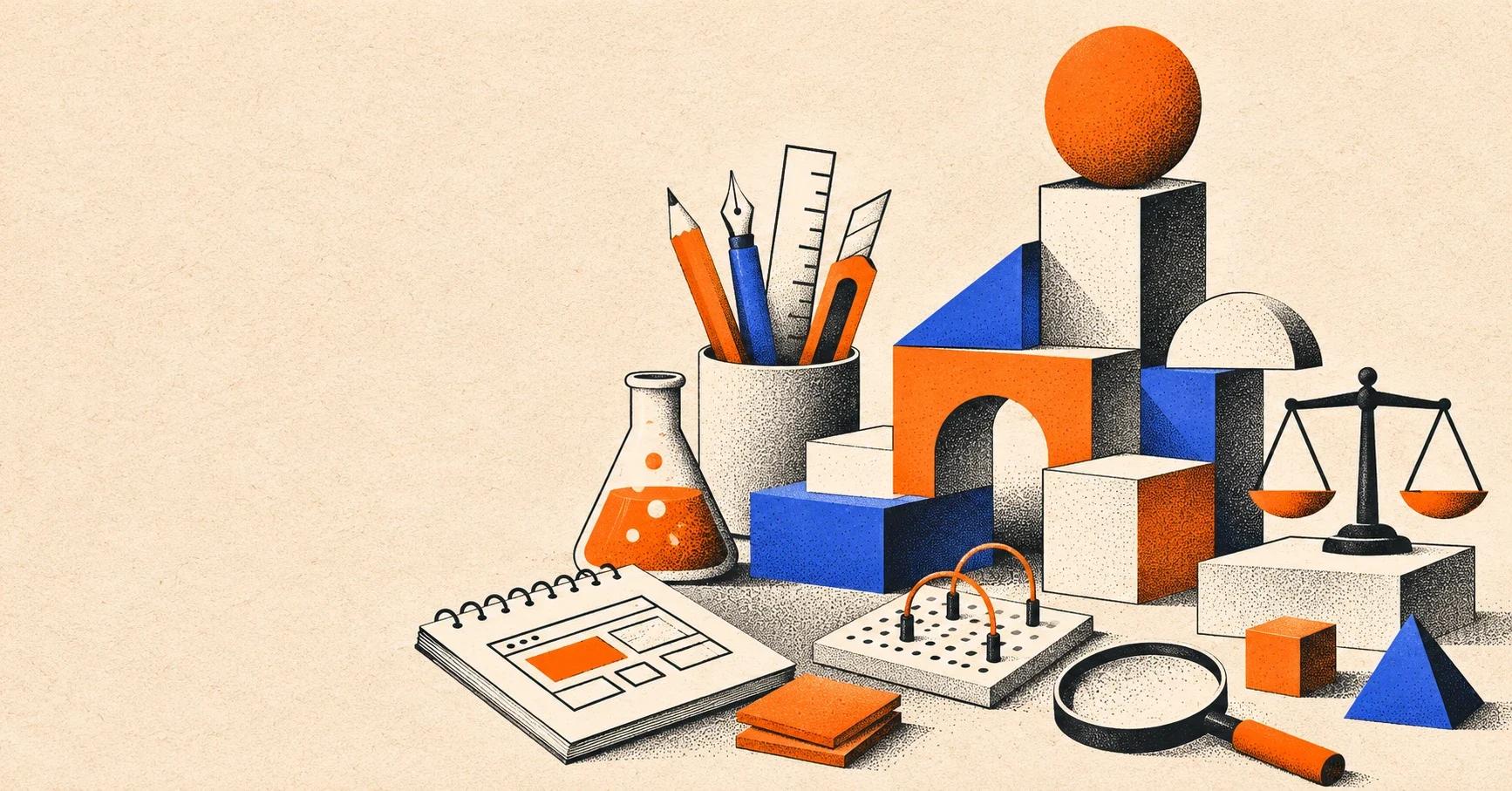
I've always believed that a good product manager should develop enough understanding of the different disciplines involved in product development to contribute meaningfully to decisions across all of them.
That expectation becomes considerably more interesting when a product manager can participate directly in activities that previously required years of specialist training.
AI is making it possible for product managers to design interfaces, develop software, investigate data, establish testing infrastructure and put working products into the hands of customers. This should prompt us to reconsider what we expect a product manager to be capable of.
Become a capable peer
Imagine discussing a proposed feature with an engineer. Historically, you might have relied on the engineer to investigate how difficult it would be to implement, which parts of the existing software would be affected and what technical decisions would need to be made.
You can increasingly participate in that investigation yourself. With AI, you can examine an existing codebase, understand how a capability has been implemented and explore different approaches to extending it.
The quality of that discussion will depend on your understanding of software development. You need to appreciate why certain architectural decisions were made, what makes software difficult to maintain and how changes to one part of a system might affect another.
The same applies to design. You can now develop a working interface and explore how people would interact with it. Developing your understanding of interaction design, visual hierarchy and design systems will substantially improve your ability to do so.
These capabilities give you a much stronger basis for working with experienced engineers and designers and evaluating the decisions you make together.
Develop the judgment to direct AI
One of the more consequential characteristics of AI-assisted development is how readily an agent will make decisions on your behalf.
Ask an agent to build a feature and it may make dozens of decisions about the interface, the structure of the software, how information is stored and how exceptions are handled.
Many of those decisions have implications that extend well beyond the feature you originally requested.
You should develop enough understanding to recognize which decisions deserve your attention, which require specialist input and what constitutes a good outcome.
This is one reason I think learning to build real products is such a valuable educational experience. The problems you encounter give you a reason to develop your understanding of disciplines that might otherwise remain relatively abstract.
Reconsider your contribution
Much of a product manager's time is spent communicating intentions to other people.
Being able to develop a working version of an idea changes the nature of those conversations. You can explore alternative experiences, expose assumptions, investigate feasibility and obtain feedback much earlier.
There will still be circumstances in which a specification or a discussion is the most effective way to proceed. But the range of ways you can contribute to the development of a product has expanded considerably.
I would encourage product managers to think about which responsibilities they could now take on, given the opportunity to develop the necessary skills.
How I can help
At Product Simply, I'm developing practical education and guided building experiences that help professionals become more capable across the entire product development process.
We'll explore how to direct AI agents, make informed design and engineering decisions, evaluate what has been built and take responsibility for the performance of a product.
I'd be interested to understand what you're working on today and what you'd like to become capable of doing. We can work out how to develop those capabilities together.
Written by
MJ ChapmanRelated Articles

How do you know whether AI has built something good?
Reliable software, a well-designed experience, good AI judgment and meaningful customer outcomes require different kinds of evidence.
November 29, 2026
From product idea to production with AI
What does it take to turn an AI-assisted implementation into a dependable product? A practical example from developing Product Simply.
November 29, 2026
How to identify the best opportunities for AI in your business
Identify opportunities worth pursuing by understanding what limits your business, what it already knows and how you would evaluate the return on an improvement.
November 29, 2026